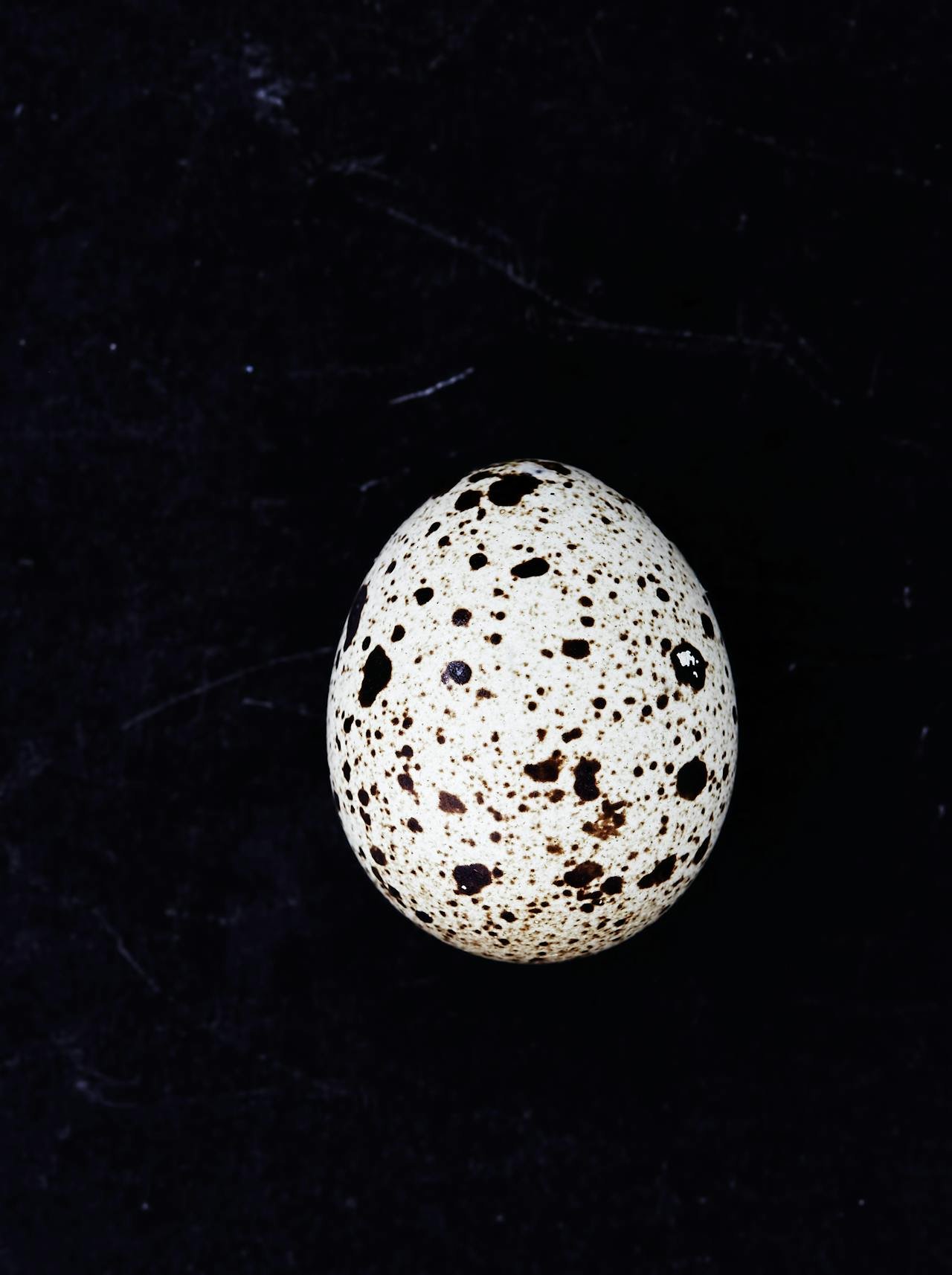

The egg, often regarded merely as a culinary staple, serves as a profound symbol across various religions, beliefs, and cultures. Its unparalleled representation of fertility, rebirth, and the cosmos transcends its physical form, turning it into a powerful icon throughout history. This article explores the multifaceted spiritual significance of eggs, from artistic expressions in rituals to their symbolic presence in festivals worldwide, shedding light on the interconnectedness of humanity’s quest for meaning.
The Universal Symbol of Creation
The egg is universally recognized as a potent symbol of creation and new beginnings. Within the context of many myths and religions, the egg represents the universe in its entirety, encapsulating the cycle of life, death, and rebirth. As noted by anthropologist and folklorist, John T. Maloney, “the egg embodies the potential for life, containing all that is necessary to create new existence” (Maloney, Egg: A Cultural History). This foundational symbolism manifests in various spiritual and cultural traditions.
1. Christianity: The Egg as a Symbol of Resurrection
In Christian tradition, eggs have long been associated with Easter, a celebration of resurrection and renewal. The practice of decorating eggs during this season has become integral to holiday observances. According to Ethel S. Wilkins in her work on cultural anthropology, the practice of using eggs to symbolize Jesus’ emergence from the tomb serves as a tangible reminder of hope and new life (Wilkins, Easter Traditions Worldwide).
During Easter, it is customary to dye and decorate eggs—often bright colors that symbolize the sunlight and rebirth of spring. One of the most prominent practices is the Greek tradition of dyeing eggs red. This cherished custom involves boiling eggs and dyeing them a vivid red, which symbolizes the blood of Christ and represents His resurrection. During Holy Week, families prepare their red eggs in anticipation of the Easter Sunday feast. On that day, a game called tsougrisma is played, where each person competes to crack the other’s egg while holding their own—an endeavor representing the victory of life over death (Heselton, Wonders of the Easter Egg).
Additionally, the red eggs are often gifted to children, symbolizing love and good fortune. The egg’s hard shell is a metaphor for the sealed tomb of Christ, while the act of cracking it open represents Christ’s resurrection, further solidifying its significance in this tradition.

2. Hinduism: The Cosmic Egg
In Hindu philosophy, the cosmic egg, or Brahmanda, is a central concept. This egg signifies the universe in its embryonic state, from which all creation emerges. Ancient texts like the Rigveda recount how the universe evolved from this sacred egg, merging themes of creation and destruction (Rangacharya, The Cosmic Egg: An Overview of Brahmanda). The egg thus embodies the interrelatedness of life and the cyclical nature of the cosmos.
Eggs are also integral to various Hindu rituals aimed at fostering fertility and prosperity. During the festival of Gudi Padwa, for instance, traditional dishes featuring eggs are prepared to celebrate the renewal of life and the onset of new beginnings. In many regions, eggs are offered to deities during ceremonies that invoke blessings for fertility and abundance.
3. Mexican Traditions: Confetti Eggs
In Mexico, a colorful tradition surrounding eggs takes place during Semana Santa (Holy Week) and other festive occasions. Known as cascarones, these decorative eggs are filled with confetti and painted with bright colors. The act of cracking a cascarón over someone’s head is seen as an act of goodwill, spreading good luck and happiness (Cortés, Traditions of Mexican Festivals).
This joyous custom not only promotes community and togetherness but also symbolizes the breaking open of barriers to reveal hidden joy and festivities within. Sunlight filtering through the confetti symbolizes transformation, reinforcing the idea of life emerging from chaos.
4. Ancient Cultures: Fertility and Transformation
Across ancient civilizations, the egg was often tied to fertility and transformation. In Egyptian mythology, the sun deity Ra was believed to have emerged from a cosmic egg. The myth reflects the importance placed on the egg as a life-giving force. Scores of other ancient cultures, including the Greeks and Romans, revered the egg.

The Greeks utilized eggs in various rites and festivals, such as Dionysian spring rites, which celebrated fertility and rebirth. Egg motifs, including eggshells and designs, appeared in ruins and artifacts, suggesting their widespread symbolic relevance. Similarly, in many Native American cultures, including the Navajo and Hopi, eggs represent rebirth and regeneration, often found in rituals aimed at ensuring bountiful harvests (Pineda, Native American Symbolism).
5. Egg Cleansing and Divination Practices
The use of eggs is not limited to celebration; they also feature in spiritual practices of cleansing and divination across various cultures. In East Slavic traditions, egg cleansing, or yajivka, is a common practice believed to remove negative energy and illness. A practitioner rolls an egg over a person’s body, channeling spirits to extract any misfortune or malaise; the egg is then cracked open, revealing its state (Gatov, Spiritual Practices in Eastern Europe).
In Latin American cultures, eggs are also used in rituals for divination. The practice, known as polvo de huevo or “egg powder,” involves breaking an egg into water. The pattern of the egg’s coagulated form is then interpreted to predict future events or address concerns.
6. Cultural Practices in East Asia
In East Asia, eggs also hold cultural significance that varies by country. In China, for instance, eggs symbolize fertility and prosperity, often offered at celebrations such as the Lunar New Year, where they are dyed in vibrant colors. The tradition of presenting eggs as gifts represents best wishes for new beginnings and abundant harvests. Children often receive decorated eggs, as it symbolizes health and vigor (Li, Chinese Customs and Traditions).
In Japan, during the celebration of Kodomo no Hi (Children’s Day), which falls on May 5th, parents often make dishes featuring eggs to celebrate the growth and health of their children. The eggs can be representative of the child’s future, thus highlighting the notion of life and hope (Tanaka, Japanese Festivals and Traditions).
Moreover, in Vietnamese culture, eggs are an essential part of the Tet Festival. Symbolizing good fortune and new life, eggs are incorporated into dishes that families prepare during this significant lunar celebration, with the intention of invoking blessings for the upcoming year (Nguyen, Tết: The Vietnamese Lunar New Year).
7. Cultural Folklore and Superstitions
Eggs are steeped in folklore, often regarded as talismans of good luck and protection. In many cultures, carrying an egg can ward off evil spirits or bring prosperity. In Italy, it is believed that placing a raw egg beneath a child’s bed can promote fertility and ensure peaceful sleep (Ricci, Folklore of Italy).
The act of breaking an egg can be seen as an omen. In Slavic cultures, breaking an egg unintentionally might be interpreted as a sign of impending joy or good fortune, reflecting the dual nature of the egg as a vessel of both risk and hope.
A Symbol of Unity and Interconnectedness
As we delve into the myriad representations of eggs across cultures, a common thread emerges: the profound connection between creation, transformation, and the cyclical nature of existence. The egg’s symbolism transcends boundaries, inviting us to reflect on our shared human experience. It serves as a powerful reminder of life’s fragility and resilience, embodying the potential within each of us to experience rebirth and renewal.
As we approach key reflective moments and celebratory periods throughout the year—whether in Easter observances, Spring festivals, or personal milestones—let us remember the significance of the humble egg. Its timeless emblematic representation of life’s enduring journey serves to unify disparate cultures and enrich our understanding of the world.
References
- Cortés, Juan. Traditions of Mexican Festivals. University of Texas Press, 2010.
- Gatov, Natasha. Spiritual Practices in Eastern Europe. Baltic Studies Journal, 2018.
- Heselton, Philip. Wonders of the Easter Egg. Acorn Press, 2019.
- Li, Feng. Chinese Customs and Traditions. Beijing Press, 2015.
- Maloney, John T. Egg: A Cultural History. Oxford University Press, 2014.
- Nguyen, Lan. Tết: The Vietnamese Lunar New Year. Vietnam Publishing House, 2020.
- Pineda, Elisa. Native American Symbolism. HarperCollins, 1998.
- Rangacharya, S. The Cosmic Egg: An Overview of Brahmanda. Suny Press, 2001.
- Ricci, Matteo. Folklore of Italy. Routledge, 2017.
- Tanaka, Hiroshi. Japanese Festivals and Traditions. Tokyo Publishing, 2019.
- Wilkins, Ethel S. Easter Traditions Worldwide. Macmillan, 1985.